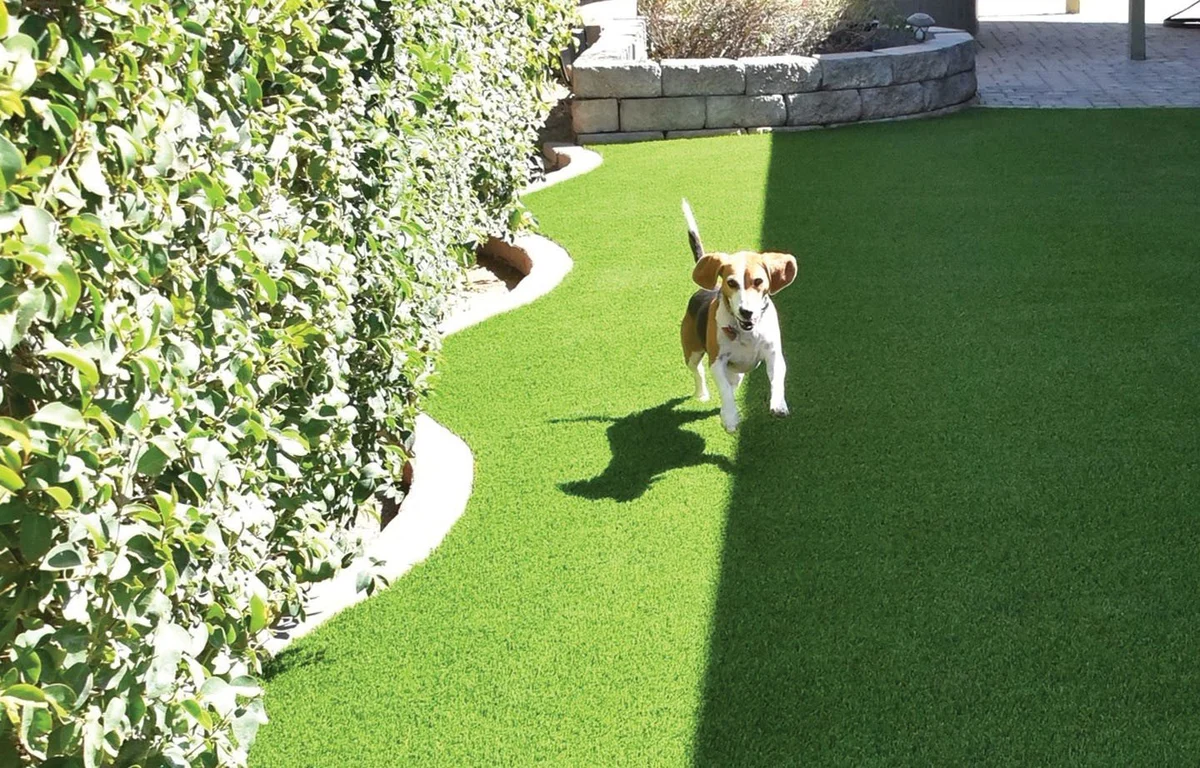
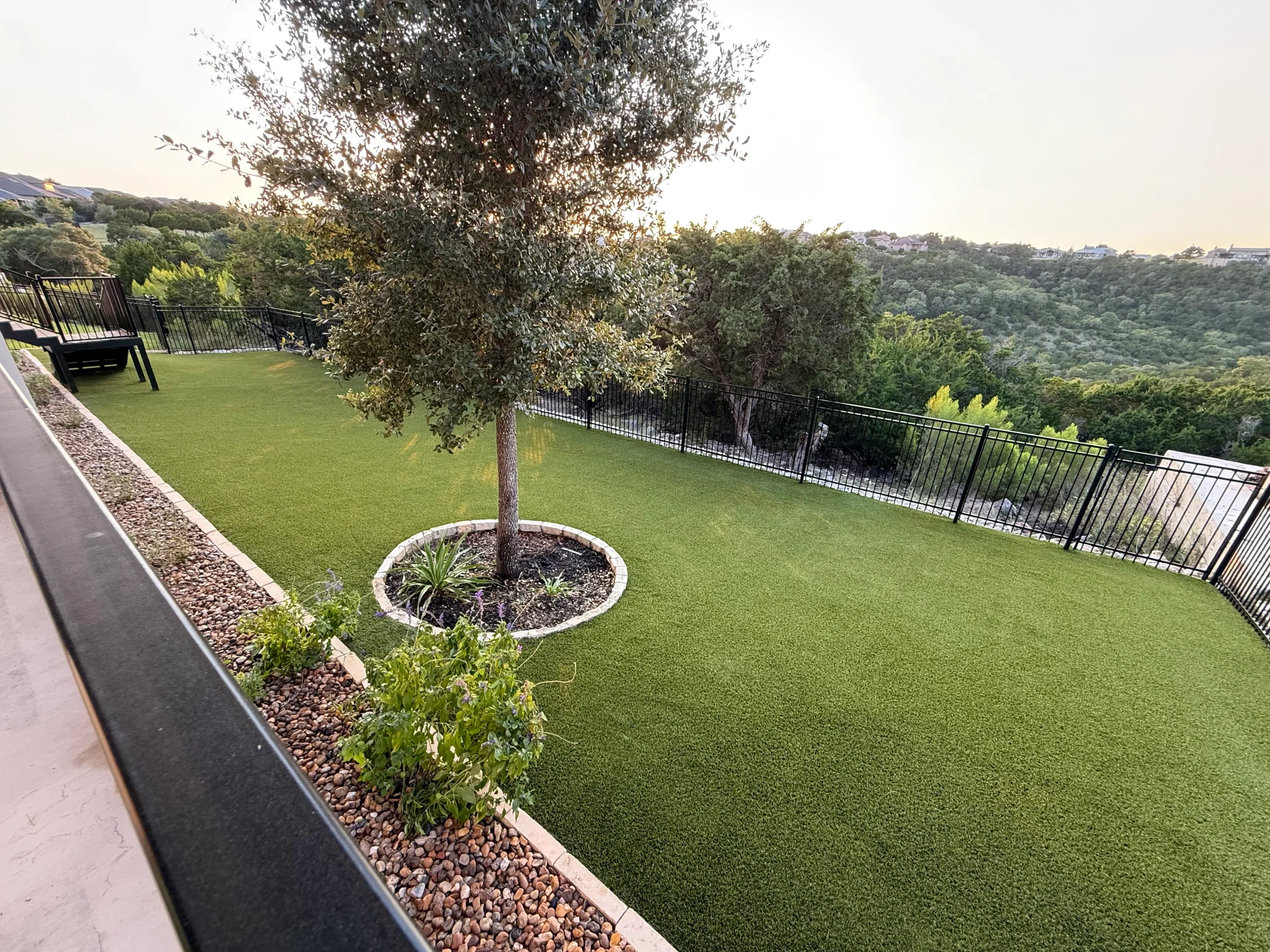
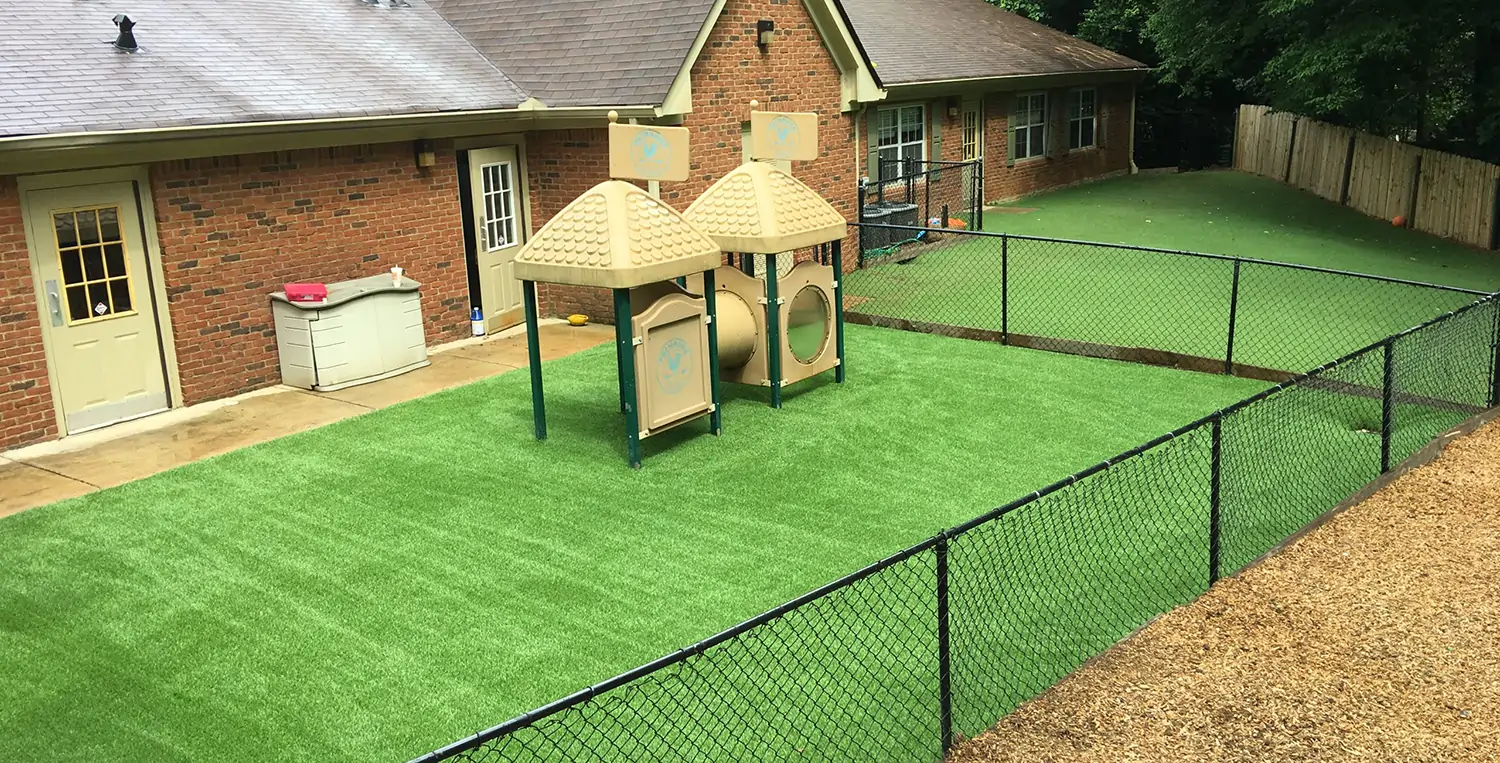
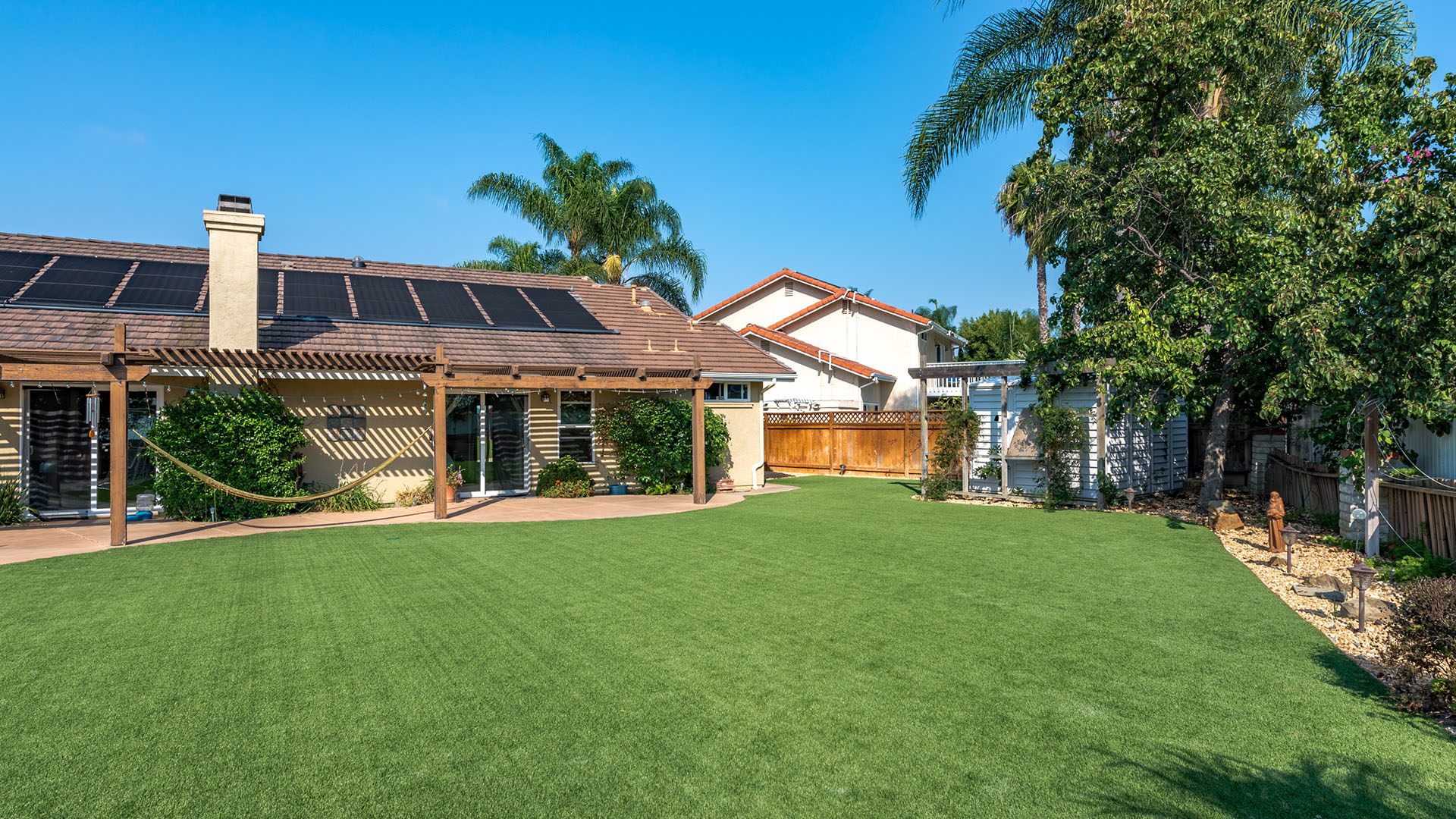
Every artificial turf installation in the Tomball area will perform exactly as well as the drainage and base beneath it — no better. This is the part of a turf project that most property owners do not see in the finished product, but it is the part that determines whether that finished product drains after a storm, stays level through soil expansion cycles, and maintains consistent surface appearance over the life of the installation. In NW Harris County, drainage and base preparation is not a generic checklist — it is a property-specific engineering problem. The clay-heavy soils that dominate Tomball's established neighborhoods and the ag-fringe properties toward Rosehill and Hockley are poor drainers by nature. They absorb water slowly, hold it for extended periods, and shift during the expansion and contraction cycles that come with wet seasons and summer drying. Turf laid over inadequately prepared clay without proper drainage engineering becomes a drainage problem within one to two wet seasons. The base beneath it can shift and cause surface irregularities. Water that cannot drain through the base has nowhere to go except along the path of least resistance — often toward the foundation of adjacent structures. Artificial Grass of Tomball approaches drainage and base preparation as a foundation engineering problem, not an afterthought. Before any turf goes in, we analyze the property's drainage direction, identify low points and water accumulation zones, assess the native soil and its drainage characteristics, and design a base system that moves water reliably out of the turf footprint. In some cases, that means perforated pipe routing to a drainage exit point. In others, it means specific aggregate selection and depth to match the drainage demands of the site. For pet areas, it means a dramatically deeper aggregate layer than a decorative turf installation would require. The Tomball area's seasonal storm patterns — heavy rain in spring, flash events through summer — demand a drainage system that can handle real event intensity, not average annual precipitation. We design for the conditions that actually occur here.